Skin Tag Removal in Children: What You Need to Know
Skin tags are common benign skin lesions. Found anywhere on the body, including children. However, skin tags are typically harmless. Parents may choose to remove skin tags on a child for cosmetic purposes or to prevent irritation. This post discusses what is important to know about skin tag removal in kids.
What Are Skin Tags?
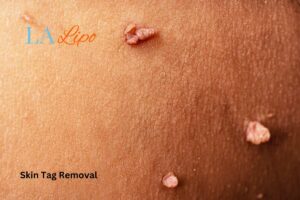
Skin tags are. Soft skin growths that can be found on the skin with stalks.
They are often flesh-coloured or a bit darker. It can occur anywhere on the body. Most often seen on the neck, armpits, and groin.
Skin tags are also more prevalent among those who are overweight or who have diabetes.
Skin Tag Removal in Children: What You Should Know
Safety – Removing skin tags in kids can be safe. It is best to consult a physician before undergoing the treatment.
Age – The removal of skin tags for kids. It can be more suitable for older people. That can also endure and follow post-op care treatments.
Risks – Skin tag removal is considered a safe procedure. It may have risks, including pain, bleeding, infection and scarring.
Options of Procedure – The most common methods for the removal of skin tags. In paediatrics, the procedures are excision, cryotherapy, and ligation. Your child’s healthcare provider can advise which may be best for your child.
Skin tags in children typically do not require removal. Unless it is causing discomfort, irritation, or the child is self-conscious.
Suppose you are thinking about having your child’s skin tags removed. You should consult with your child’s healthcare provider. About whether this is needed and the best way to do it.
Find your nearest location here!
Preparing for the removal of a skin tag in children
Speak to a medical professional. Before having skin tag removal, it’s crucial to consult with a doctor.
Talk about the procedure choices. Let your doctor suggest the most suitable form of removal for your kid.
Pre-procedure stfaweps. Instructions will be provided on what to do in advance of your procedure, including when to stop eating and drinking.
Ways to Remove Skin Tags in Children
The following are the most frequent removal methods for skin tags in children:
Excision – by snipping the skin tag with a scalpel or scissors. It’s fast and efficient, but it may leave a small scar.
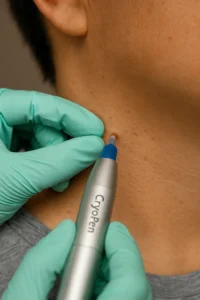
Cryotherapy – Liquid nitrogen is used to remove the skin tag. It typically drops off after a few days. This procedure is less invasive and may not result in scarring.
Ligation – Knotting the blood supply to the skin tag. With a piece of string or floss. This skin tag will dry up and fall off naturally. In contrast, there is a longer recovery time. It is a relatively non-invasive procedure with a lower risk of scarring.
Skin Tag Removal For Children
Generally, it is safe for children to undergo skin tag removal. Be sure to ask a health care provider about it. Skin tags in children typically do not require removal. It can be for cosmetic reasons or if they irritate.
Suppose you want to help your child remove their skin tag. Then LA LIPO can provide safe and effective solutions.
FAQs: Skin Tag Removal in Children
1. What are skin tags, and are they common in children?
Skin tags, or acrochordons, are small, soft, benign growths that typically appear in areas where skin rubs against skin or clothing, such as the neck, armpits, or eyelids.
While more common in adults, children can develop them, especially if they have certain medical conditions like diabetes or metabolic syndrome.
2. When should a skin tag be removed for children?
Removal is generally considered if the skin tag:
- Becomes irritated or bleeds due to friction from clothing or jewellery.
- Develops on the eyelid and affects vision.
- Causes pain or discomfort.
- It is located in a place where it is frequently caught or scratched.
It’s essential to consult a healthcare professional to determine the necessity and timing of removal.
3. Is it safe to remove a skin tag at home?
No, removing a skin tag at home is not recommended. At-home methods can lead to complications, including infection, scarring, and incomplete removal of the tattoo.
The U.S. Food and Drug Administration (FDA) has issued warnings against over-the-counter products marketed for removing skin tags, citing risks such as skin injuries and delayed diagnosis of skin conditions.
4. What are the professional methods for removing skin tags in children?
A healthcare provider may use one of the following methods:
- Cryotherapy: Freezing the skin tag with liquid nitrogen.
- Excision: Removing the skin tag using surgical scissors or a scalpel.
- Electrocautery: Burning off the skin tag using a small electrical charge.
These procedures are performed under sterile conditions to minimise risks.
5. What should I do after my child has a skin tag removed?
After removal, follow these care instructions:
- Clean the area gently with mild soap and water twice a day.
- Avoid using hydrogen peroxide or alcohol, as they can slow down the healing process.
- Apply a thin layer of petroleum jelly and cover with a nonstick bandage.
- Keep the area clean and dry.
- Monitor for signs of infection, such as increased redness, swelling, or the presence of pus.
6. Can skin tags come back after removal?
If the entire skin tag is removed, it is unlikely to return. However, new skin tags can develop over time, especially if the child has risk factors such as obesity or a family history of skin tags.
7. How can I prevent skin tags in my child?
While it’s not always possible to prevent skin tags, reducing risk factors can help:
- Maintain a healthy weight.
- Manage underlying conditions like diabetes.
- Avoid tight clothing that causes friction.
- Regularly monitor your child’s skin for any new growths or changes.